
The 8 best and the 8 worst Strymon pedals.
Strymon is the company everyone tries to copy and almost nobody manages. The catalogue is mostly hits, which makes the misses interesting. Here's the line.
Strymon is the rare boutique-feeling company that scales without losing the plot. The DSP is genuinely better than the competition. The build quality is the closest thing the pedal world has to Apple. The interface choices, on the good ones, are clearer than every Eventide pedal I've ever owned. And the prices reflect all of that — these are $300-$450 pedals in a market that thinks $150 is a stretch.
That said: Strymon's catalogue has filler. The pedals where the secret-sauce-DSP story doesn't quite land at the price tag — that's the worst column. The pedals that make you forget you spent the money are the best. This is one taste-maker's read on which is which.
Column · The best
The 8 that earn their slot.
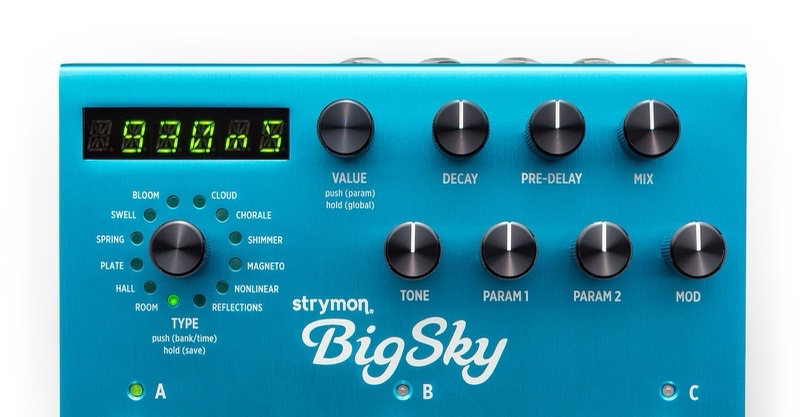
Strymon · BigSky
Still the canonical premium reverb.
BigSky was the pedal that turned reverb-on-a-pedalboard into a real conversation. Twelve algorithms, all of them honest. The 'cloud' and 'bloom' settings are signature sounds — there's a generation of guitarists who learned to write into BigSky like you'd write into a room. The BigSky 2 is a sidegrade more than an upgrade; the original is still the canonical answer.
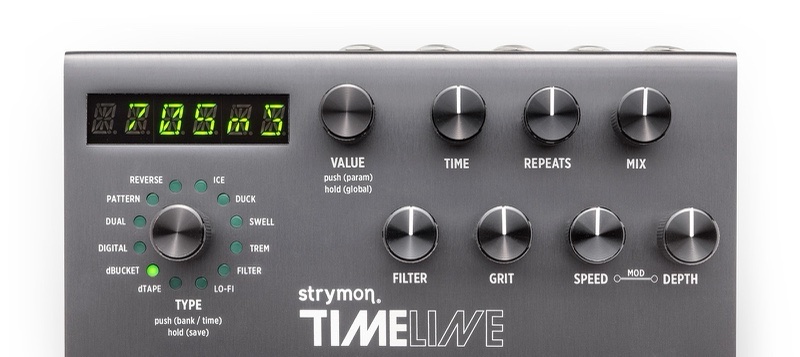
Strymon · Timeline
The delay platform that defined the category.
Timeline is the platinum-standard delay on a pedalboard. Twelve algorithms, MIDI in/out, fully programmable, looper attached. The dTape and dBucket algorithms are believable analog-style emulations; the Pattern mode is its own kind of instrument. Every modern multi-delay pedal is, at some level, trying to beat Timeline. None has — the new Volante comes closest, in a different lane.
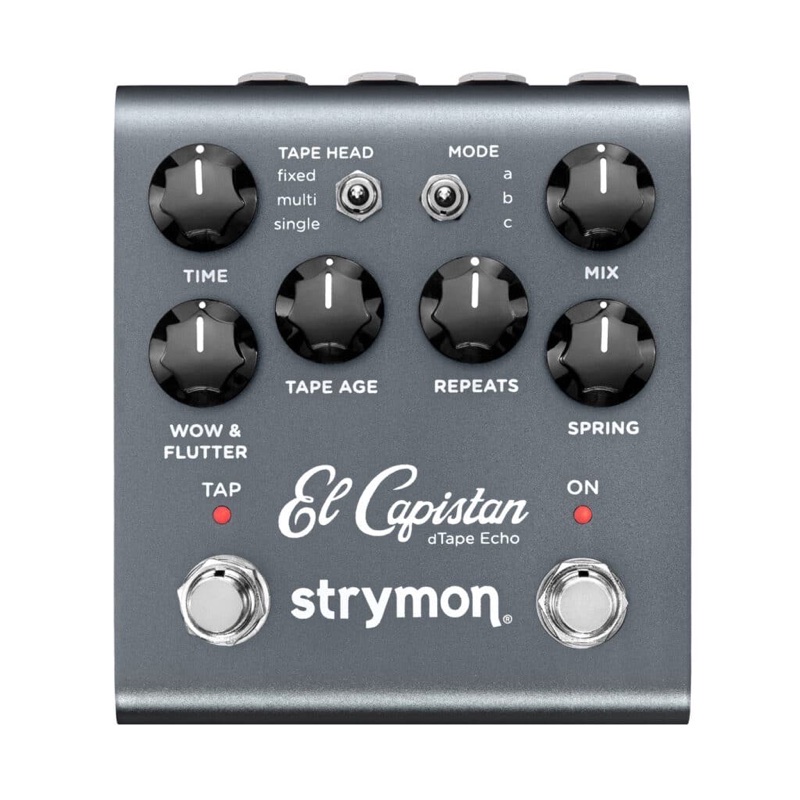
Strymon · El Capistan
Tape delay perfected at pedal scale.
El Capistan is the one tape-style delay you can put on a stranger's board and be confident it'll feel right within a minute. The wow, flutter, and tape age controls let you dial in 'Echoplex in good condition' vs 'Echoplex on its last legs' and both feel real. The original v1 had a slight noise floor issue that v2 fixed without changing the sound.
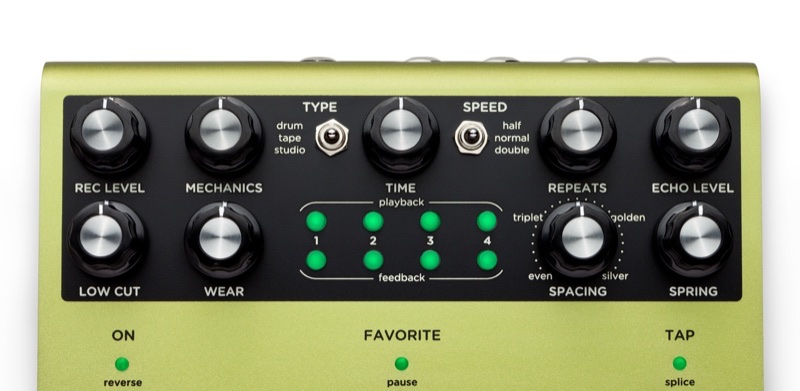
Strymon · Volante
Multi-head tape delay that earns the cabinet.
Volante is the Roland Space Echo / Binson Echorec idea translated into the modern era. Three drum-head delays plus a spring reverb circuit, with the ability to overdrive the playback head. The mechanical-feel sound design is the best Strymon has shipped — the pedal makes you play differently because the response is alive in a way pristine digital delay isn't.
Strymon · Sunset
Two channels, six circuits, no apologies.
Sunset is Strymon's overdrive catalogue compressed into one chassis. Six circuit emulations per side, all of them usable; the TS, Klone, and Big Muff modes alone justify the $279 entry. The internal-routing options (parallel, series in either order) make it a one-pedal answer to most overdrive boards. Underrated next to BigSky and Timeline because pedalboard culture doesn't celebrate practical pedals enough.
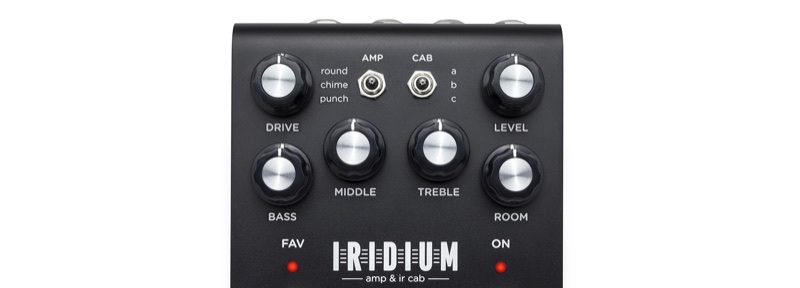
Strymon · Iridium
Amp-and-IR in a pedal that finally works.
Most amp-in-a-pedal solutions either nail the amp and miss the cab, or the other way. Iridium gets both right. The Round (Fender), Chime (Vox), and Punch (Marshall) amp models are credible direct-to-FOH solutions. The factory IRs are usable. The headphone out is the silent-practice answer your roommates will thank you for. Iridium is the first amp-pedal I'd record with.
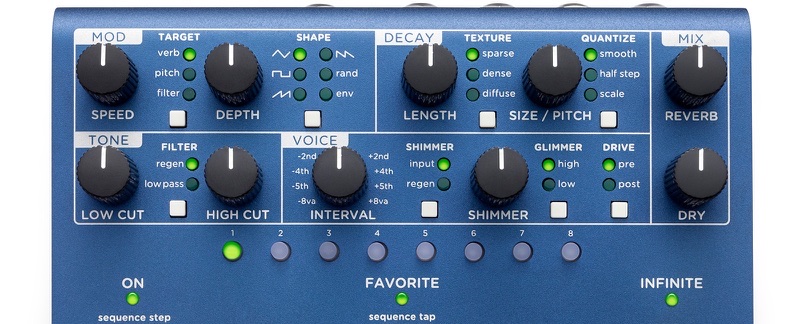
Strymon · NightSky
Granular reverb as a compositional tool.
NightSky is the experimental cousin to BigSky — granular, generative, with its own playable shimmer and bit-crush vocabulary. It is not a pedal that does 'a reverb sound'; it is a pedal that does atmosphere and texture and helps you write parts you wouldn't have otherwise. For ambient and post-rock players this is the BigSky.
Strymon · Riverside
High-gain that doesn't sound digital.
High-gain stomp pedals are the genre where Strymon's all-digital ethos is hardest to defend. Riverside is the answer. The pedal feels analog under the fingers — the way notes bloom and decay reads as 'amp' rather than 'algorithm'. Best paired with a clean amp + a cab IR; on its own it's still very good.
Column · The worst
The 8 I'd sell first.
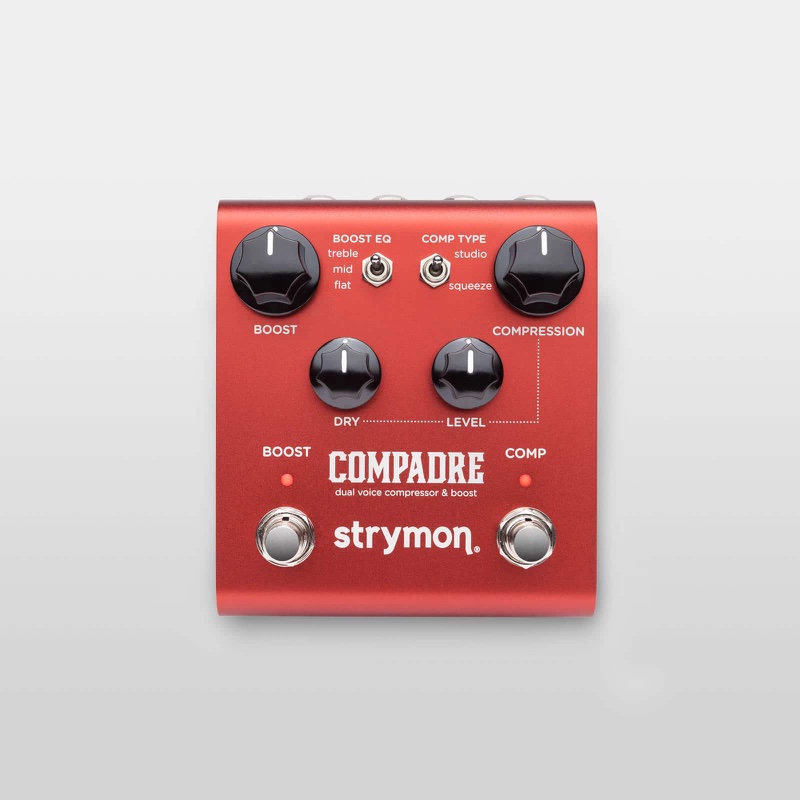
Strymon · Compadre
A combo pedal that doesn't outshine either half.
Compadre is a clean boost and a compressor on the same chassis. Each half is competent. Neither is best-in-class. At $279 you can buy a Keeley Compressor Plus AND a Wampler dB+ and have the change for a Y-cable. Combo pedals work when they save a footprint or a budget; this one does neither.
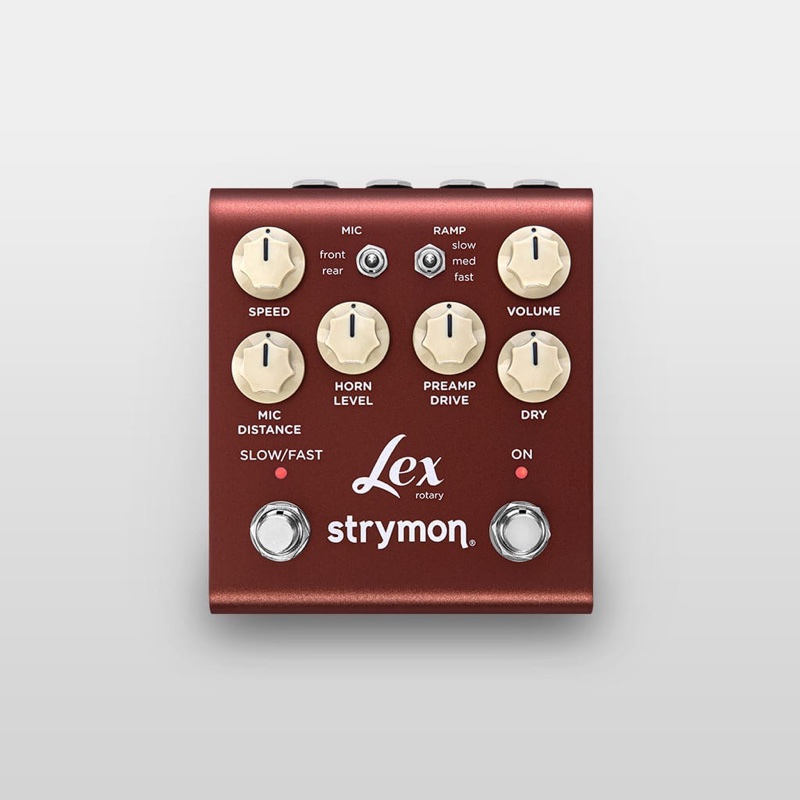
Strymon · Lex
A Leslie sim too clinical to sell the illusion.
Lex is technically correct and emotionally flat. The Mooer Rotary Pedal at a third the price beats it on feel; the original Leslie 3300 still beats them all. Strymon's strength is DSP-as-instrument; a Leslie sim is the one place where the bottom-line analog reality is the better answer. Lex's main use case is sitting on a board because it looks expensive.
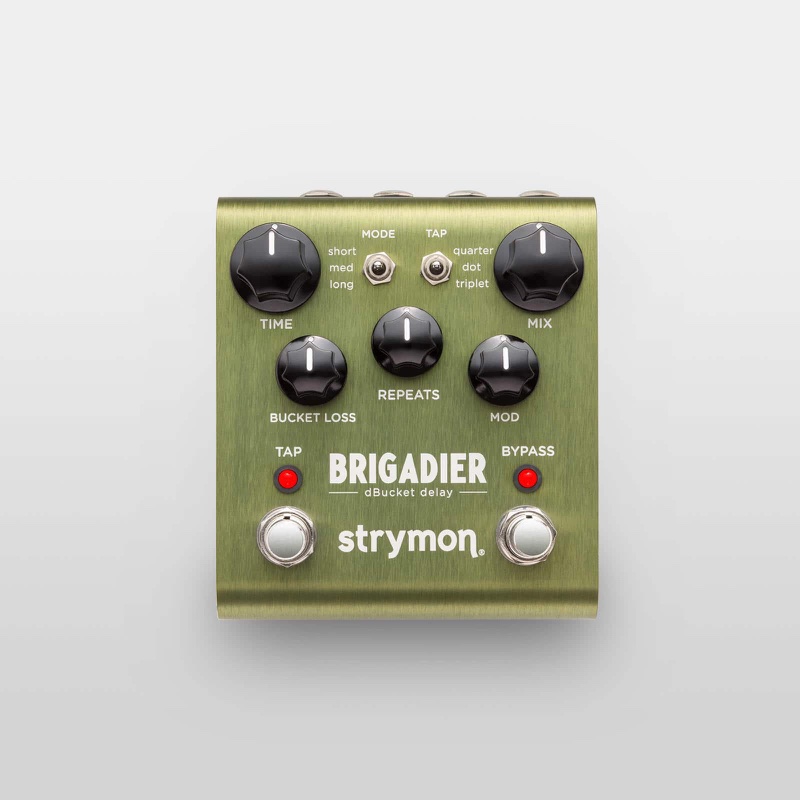
Strymon · Brigadier
Bucket-brigade delay eclipsed by Strymon's own newer work.
Brigadier was Strymon's analog-style delay in 2010. El Capistan does the lo-fi-warm sound better. The dTape mode on Timeline does it cleaner. Even the BBD section inside the Volante feels more alive. Brigadier is good. It is no longer Strymon's answer to the question, and it's still $299.
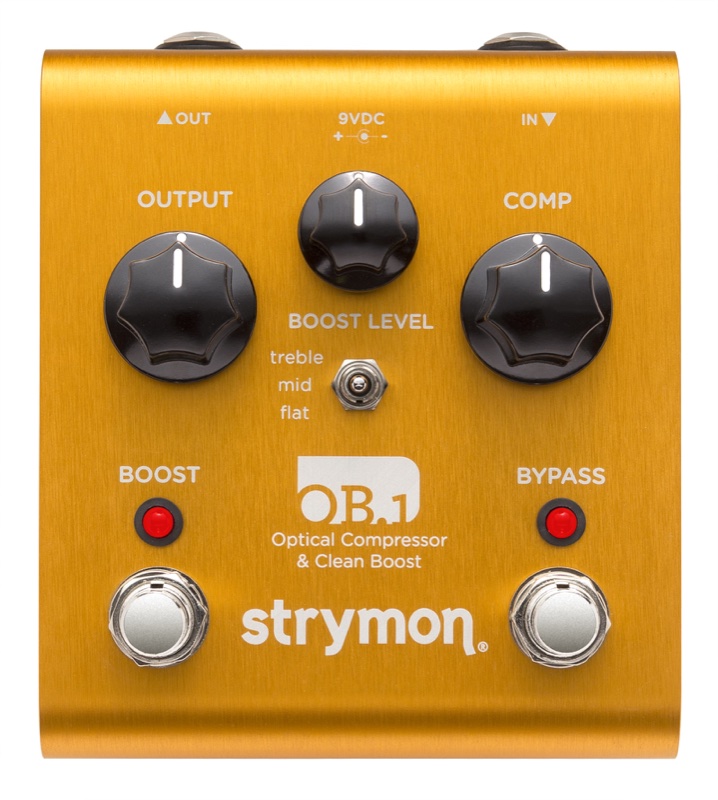
Strymon · OB.1
A clean boost shouldn't cost $199.
The OB.1 is a clean boost with a compressor on the side. Both are well-designed. Both are also categories where 'well-designed' is the floor, not the ceiling. The market has $99 clean boosts that don't lose to OB.1 on tone. Strymon's brand pricing makes sense on the DSP-heavy pedals; on a clean boost it's a brand tax.
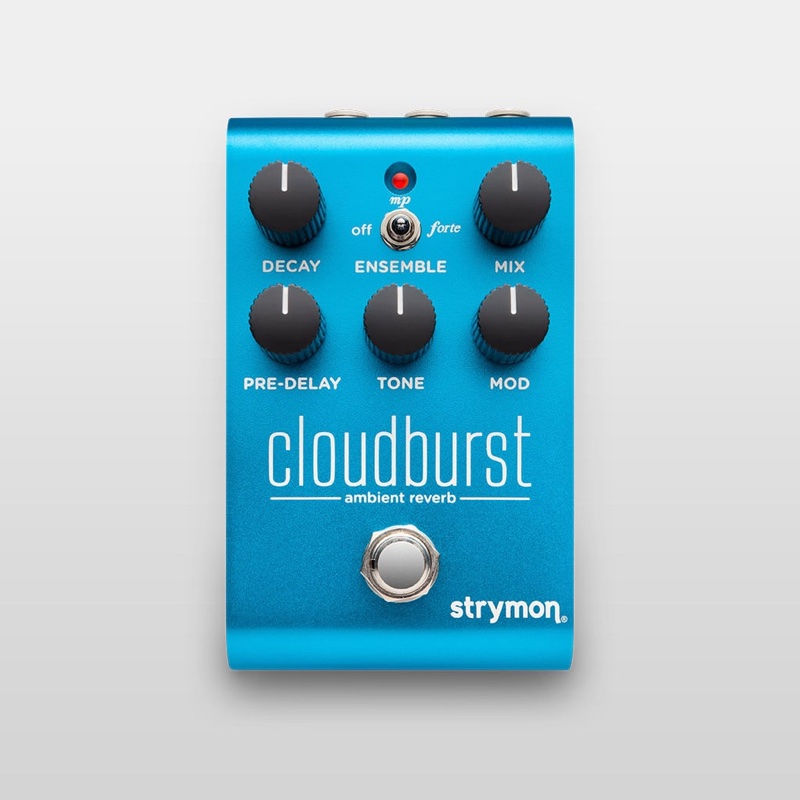
Strymon · Cloudburst
A great-sounding reverb in a pedal you already own twice over.
Cloudburst makes the same sound as one of BigSky's twelve algorithms. If you have a BigSky, you do not need a Cloudburst. If you don't have a BigSky, you'd probably benefit more from a $149 EHX Holy Grail. The category Strymon sells Cloudburst into — single-algorithm premium reverb — is a category that doesn't exist for most working players.
1 rebuttal filed
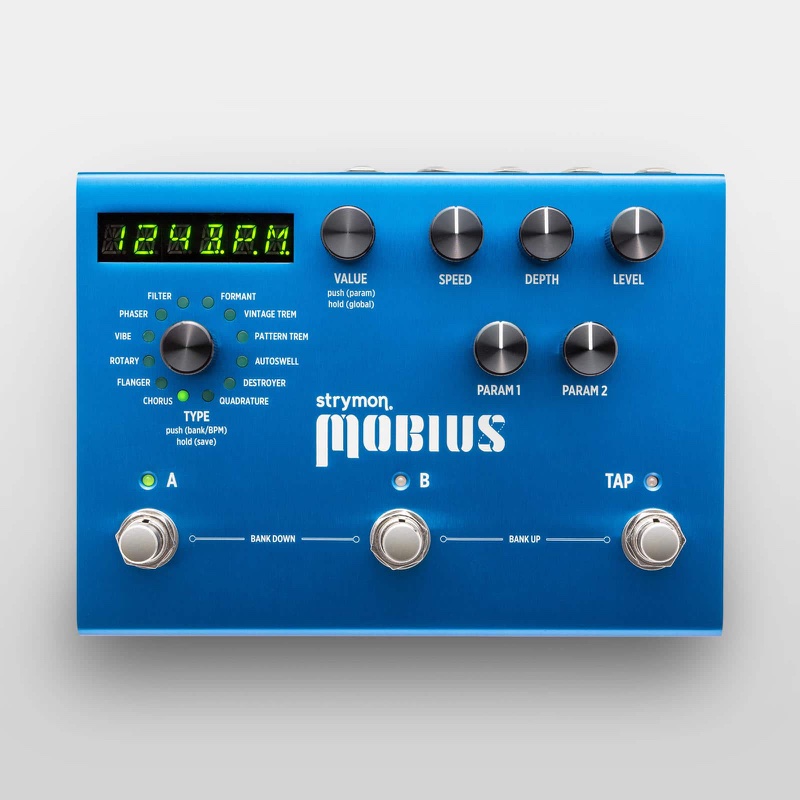
Strymon · Mobius
Twelve modulation modes, no obvious answer to the question.
Mobius is the modulation answer to Timeline and BigSky. It is also the pedal where the multi-algorithm format works least well. The 'pattern' tremolo is fantastic. The chorus is okay. The flanger is fine. Most players want one modulation that's great, not twelve that are okay-to-good. Mobius is the kitchen-sink design that didn't quite have a kitchen-sink need.
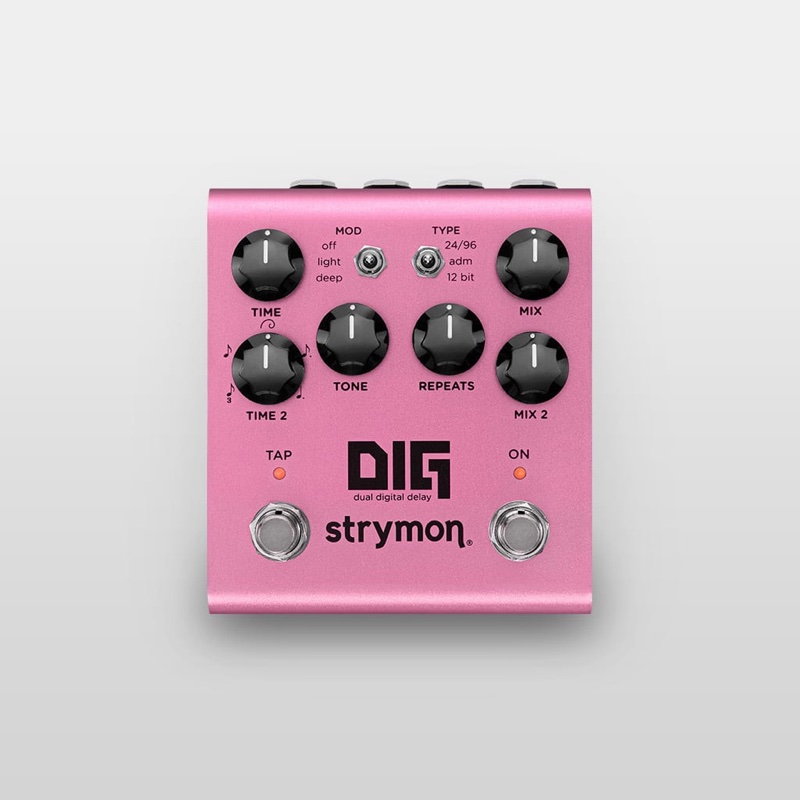
Strymon · DIG
A dual digital delay the new Volante and Timeline have absorbed.
DIG was the first stab at clean digital delay in a pedal — 24/96 fidelity, dual delay lines, three voicings. Eight years on, almost every Strymon delay covers DIG's ground and then some. DIG isn't bad. It's a delay that doesn't have a unique reason to exist in Strymon's lineup, and that's a hard pitch at $349.
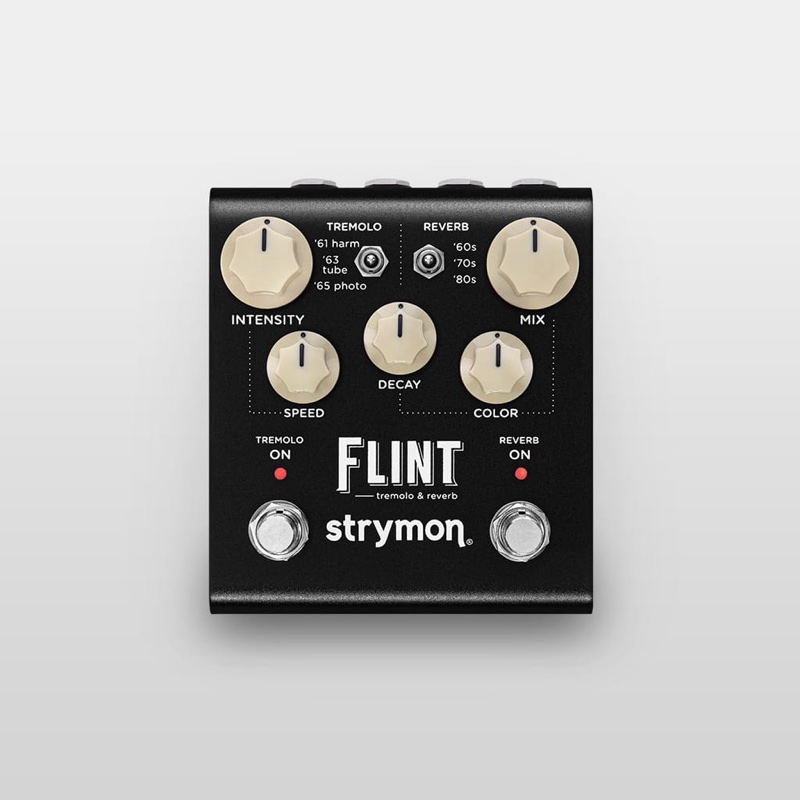
Strymon · Flint
Tremolo and reverb in one chassis where the reverb is the weak half.
Flint pairs three tremolos with three reverbs. The tremolos are great — the harmonic trem is one of Strymon's most distinctive sounds. The reverbs are middling Strymon — fine, not BigSky-level. If you want both effects, the right answer is a Volante (for tremolo-feel) and a BigSky (for reverb). Flint sells the trem and asks you to take the reverb as a bundled gift.
1 rebuttal filed
Strymon's job is to make the pedal you don't replace. The first column is them doing that job. The second column is them being a normal company. — Johnny
Discussion
Loading comments…